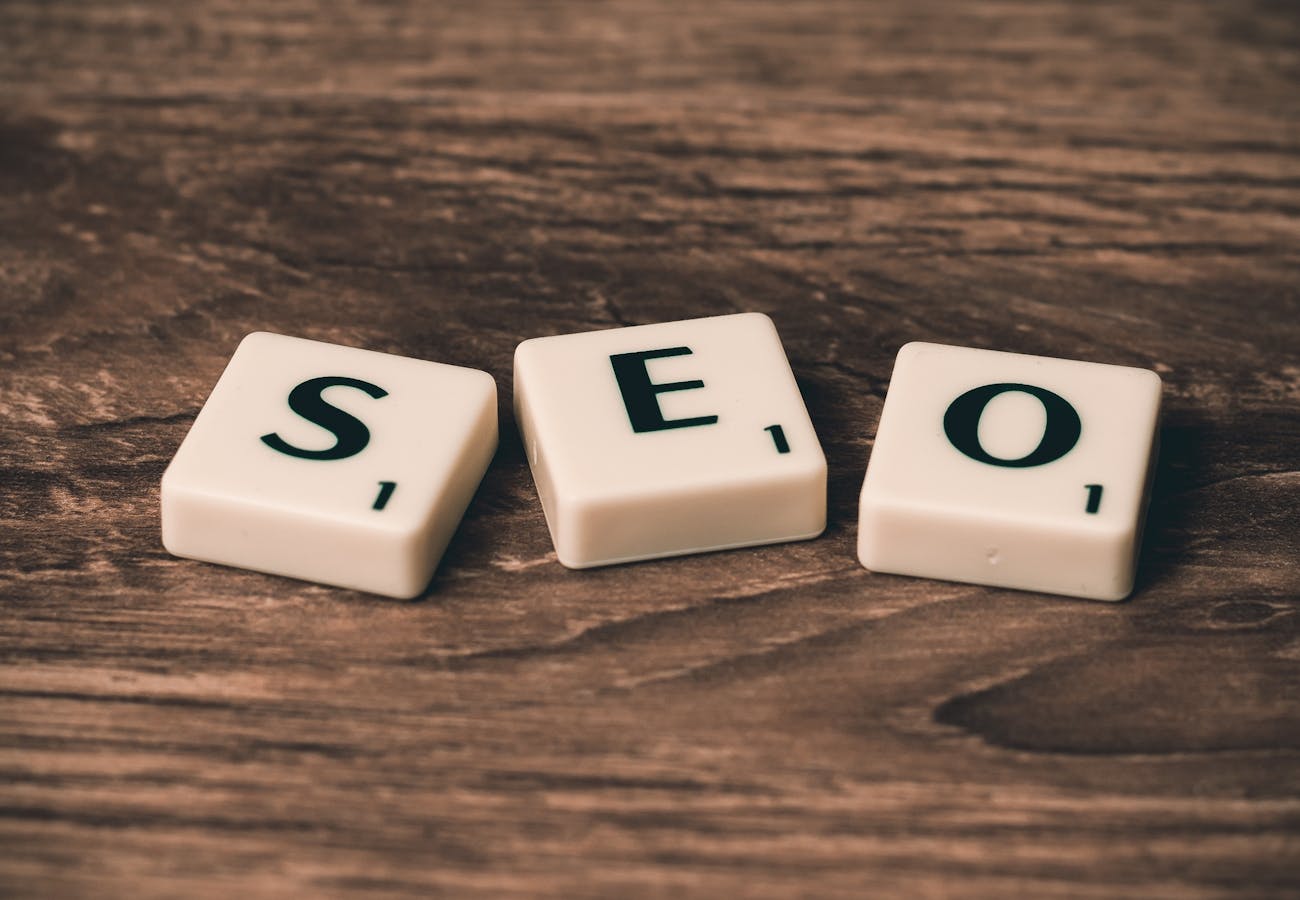
What Is SEO? A Complete Guide to Understanding Search Engine Optimization(SEO) in 2025
In today’s digital world, people turn to Google for almost everything—finding products, reading reviews, learning something new, or discovering local businesses. And if your website doesn’t appear on those search results, you’re missing out on thousands of potential visitors. That’s where SEO (Search Engine Optimization) comes in.
SEO isn’t just a marketing strategy; it’s the backbone of online visibility. Whether you’re running a blog, an e-commerce store, or a small business website, understanding SEO can help you reach more people without spending money on ads.
What Exactly Is SEO?
SEO stands for Search Engine Optimization, which means improving your website so search engines like Google, Bing, or Yahoo can understand your content and show it to the right people.
Think of Google as a huge library. When someone asks a question, Google tries to find the most helpful, relevant, and trustworthy answer.
Your job is to make your website that helpful answer.
Why Is SEO So Important?
Here’s the truth: 75% of users never scroll past the first page of Google.
So if your website isn’t ranking on page one, it’s almost invisible.
SEO helps you:
- Get free and organic traffic
- Build trust and authority in your niche
- Improve your website’s user experience
- Increase your chances of generating leads or sales
- Stay ahead of competitors who are also fighting for attention
SEO is not just about ranking—it’s about creating content that genuinely helps people.
How Search Engines Actually Work
Before trying to rank on Google, you must understand how it works. Search engines follow three main steps:
1. Crawling
Bots (called “crawlers”) scan the internet to discover new pages.
2. Indexing
Google saves and organizes these pages in its database.
3. Ranking
When someone searches, Google shows the most helpful and relevant pages based on hundreds of ranking factors.
Your job is to make your website crawlable, indexable, and valuable enough to rank.
Table of Contents
Main Types of SEO You Should Know
SEO is not just one thing. It has multiple layers working together:
1. On-Page SEO (Content & Keywords)
This is all about the content you publish on your website.
It includes:
- Keywords (what people search for)
- Headings and subheadings
- Meta titles & descriptions
- Internal links
- Image optimization
Good on-page SEO tells Google exactly what your page is about.
2. Off-Page SEO (Authority Building)
This is everything you do outside your website to build trust.
The biggest part is:
- Backlinks (links from other websites to yours)
The more high-quality backlinks you have, the more Google sees you as an authority.
3. Technical SEO (Website Structure)
This makes your website easy for Google to understand and easy for users to navigate.
It includes:
- Website speed
- Mobile-friendly design
- Sitemap
- Secure HTTPS
- Clean URLs
Even amazing content won’t rank if your technical SEO is poor.
How to Do SEO in a Simple, Beginner-Friendly Way
Here’s a simple roadmap to get started:
1. Start With Keyword Research
Before writing anything, find out what people are searching for.
Example keywords for SEO beginners might be:
- “what is SEO”
- “SEO for beginners”
- “how to rank on Google”
- “SEO tips 2025”
Choose keywords with high search volume and low competition if possible.
2. Write Quality Content (Help First, Rank Later)
Google rewards websites that genuinely help people.
Your content should be:
- Clear
- Valuable
- Easy to read
- Human and relatable
Add examples, steps, real experiences, and explanations.
3. Optimize Your Page
Add your keyword naturally in:
- Title
- First paragraph
- Headings
- URL
- Meta description
- Alt text of images
Never stuff keywords. Write like a human.
4. Build Backlinks Naturally
You can get backlinks by:
- Guest posting
- Sharing your content on social media
- Writing posts that people WANT to link to
- Collaborating with bloggers or creators
Backlinks show Google that others trust your content.
5. Make Your Website Fast & Mobile-Friendly
Most users browse on mobile.
A slow website can instantly lose visitors.
Use tools like Google PageSpeed Insights to optimize your speed.
Common SEO Mistakes Beginners Should Avoid
- Writing only for search engines, not humans
- Keyword stuffing
- Ignoring mobile optimization
- Slow page speed
- Publishing thin or duplicate content
- Not updating old blogs
- No internal linking
Avoid these mistakes and your chances of ranking will improve drastically.
The Future of SEO: What to Expect in 2025
SEO is constantly changing. With AI and voice search on the rise, Google now focuses more on:
- User experience
- Helpful content
- Search intent
- Authenticity
Final Thoughts
SEO may seem complicated at first, but once you understand how it works, it becomes a powerful tool to grow your website. Whether you’re a blogger, a business owner, or just someone wanting to share knowledge online, SEO helps you reach the right audience at the right time.
Start small—pick a keyword, write helpful content, optimize your page, and keep improving.
Over time, you’ll see your website attract more traffic, engagement, and trust.

 using WordPress and
No responses yet